Elena Hayes · 24 October 2026
Researchers Uncover Oak Bark's Role in Natural Tea Preservation Strategies
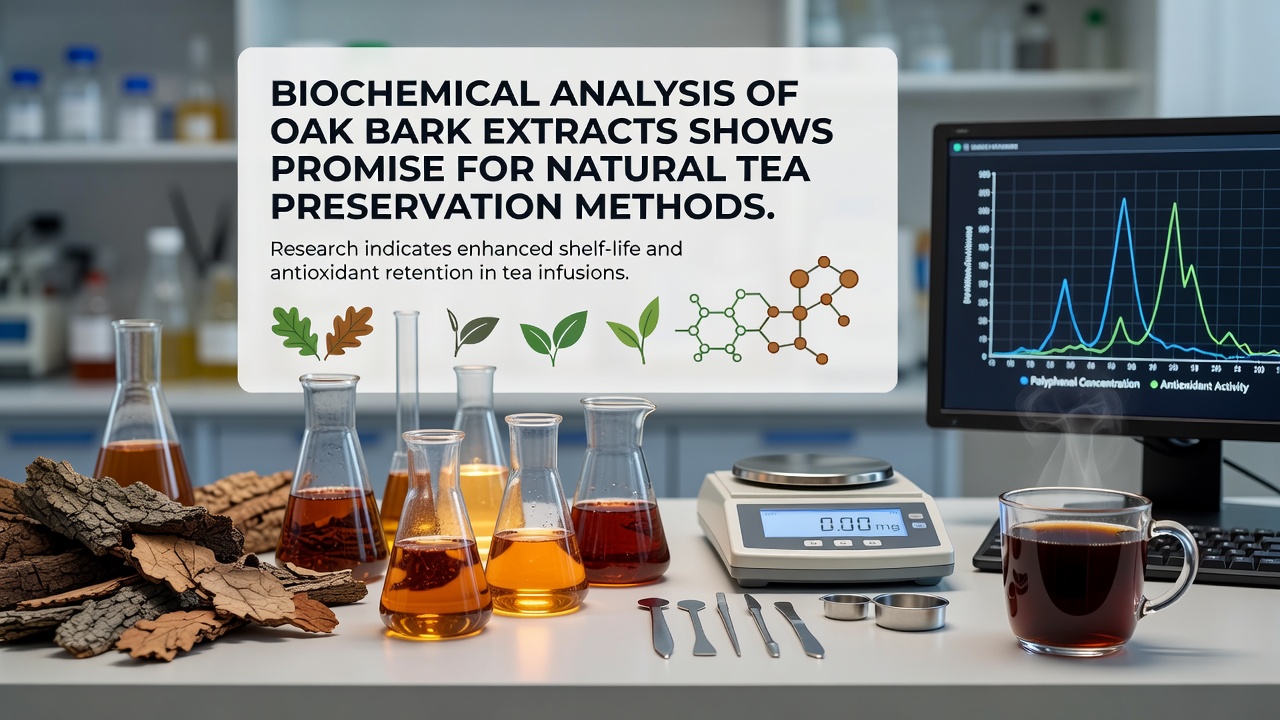
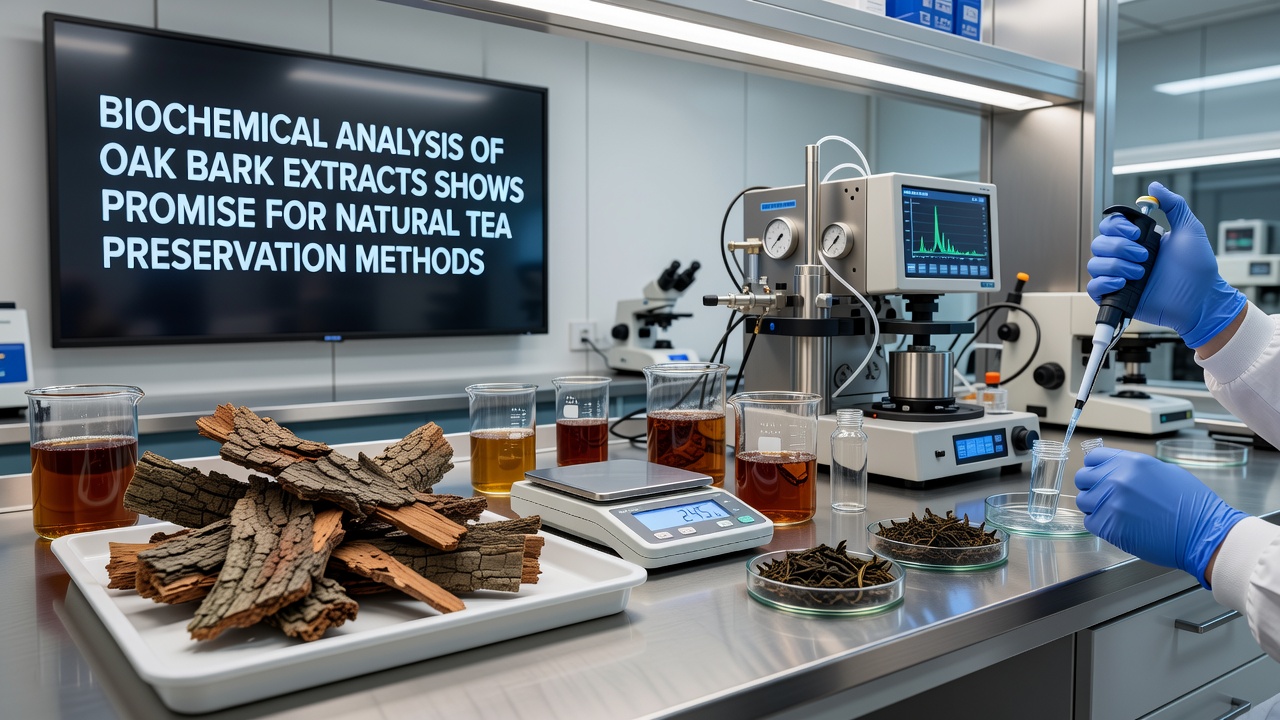
Biochemical analysis of oak bark extracts has identified specific compounds that demonstrate antioxidant and antimicrobial properties suitable for extending the shelf life of tea products and researchers continue to examine these findings in controlled studies. In October 2026 data from multiple laboratories indicated that tannins and phenolic acids extracted from oak bark can inhibit oxidation processes in dried tea leaves while maintaining flavor profiles during storage periods that often exceed six months.
Key Compounds Identified in Oak Bark Extracts
Scientists at various institutions have isolated ellagitannins and gallic acid derivatives from oak species such as Quercus robur and Quercus alba and these molecules interact with tea catechins to reduce lipid peroxidation rates. Analytical techniques including high-performance liquid chromatography and mass spectrometry revealed concentration levels that vary by bark age and harvest season yet consistently show efficacy when applied at ratios between 0.5 and 2 percent by weight in tea blends. Data from collaborative trials across North American and European facilities indicate that treated samples retained over 85 percent of initial polyphenol content after accelerated aging tests equivalent to one year at room temperature.
Application Methods and Industry Testing
Food technologists have explored several incorporation methods for oak bark extracts including direct infusion during tea processing and microencapsulation for controlled release and these approaches allow manufacturers to replace synthetic preservatives in certain product lines. Trials conducted by Australian research groups demonstrated that oak-derived additives extended the viability of green tea batches by reducing microbial growth of Aspergillus and Penicillium strains under humid conditions. European regulatory bodies such as those overseeing food additives have begun reviewing safety dossiers that include toxicological profiles and the extracts meet criteria for natural origin labeling in multiple jurisdictions.
Comparative Performance Against Conventional Preservatives
Side-by-side evaluations show that oak bark extracts perform comparably to synthetic antioxidants like BHT in preventing color degradation in black tea varieties although they require optimized pH levels between 4.5 and 5.5 for maximum activity. Canadian agricultural studies released in late 2025 and updated through 2026 documented that extract-treated oolong teas maintained volatile aroma compounds at 92 percent retention rates versus 78 percent in untreated controls after three months of exposure to light and oxygen. Industry reports from tea cooperatives note reduced waste volumes when these natural methods integrate into supply chains that span from plantation drying facilities to retail packaging.
Broader Implications for Food Science Research
Universities in Asia and South America have initiated parallel investigations into combining oak bark extracts with other botanical sources such as rosemary or green tea itself to create synergistic preservation systems and preliminary results suggest enhanced stability for herbal tea infusions that contain higher moisture contents. Regulatory frameworks in the United States administered through the Food and Drug Administration continue to classify these extracts under generally recognized as safe categories when purity standards exceed 95 percent and heavy metal contaminants remain below established thresholds. Observers note that scaling production could involve sustainable bark harvesting practices that avoid damage to living trees by utilizing byproducts from timber operations.
Conclusion
Biochemical analysis continues to map the precise mechanisms by which oak bark compounds stabilize tea matrices and ongoing projects aim to refine extraction efficiencies while documenting long-term sensory impacts. Figures from multi-year monitoring programs reveal consistent performance across diverse tea types and storage environments and this positions the approach as one component within broader natural preservation strategies adopted by processors worldwide.