Otto Washington · 21 November 2026
Reclaimed Hardwood Byproducts Streamlining Distribution Networks for Organic Tea Growers Across Emerging Regions
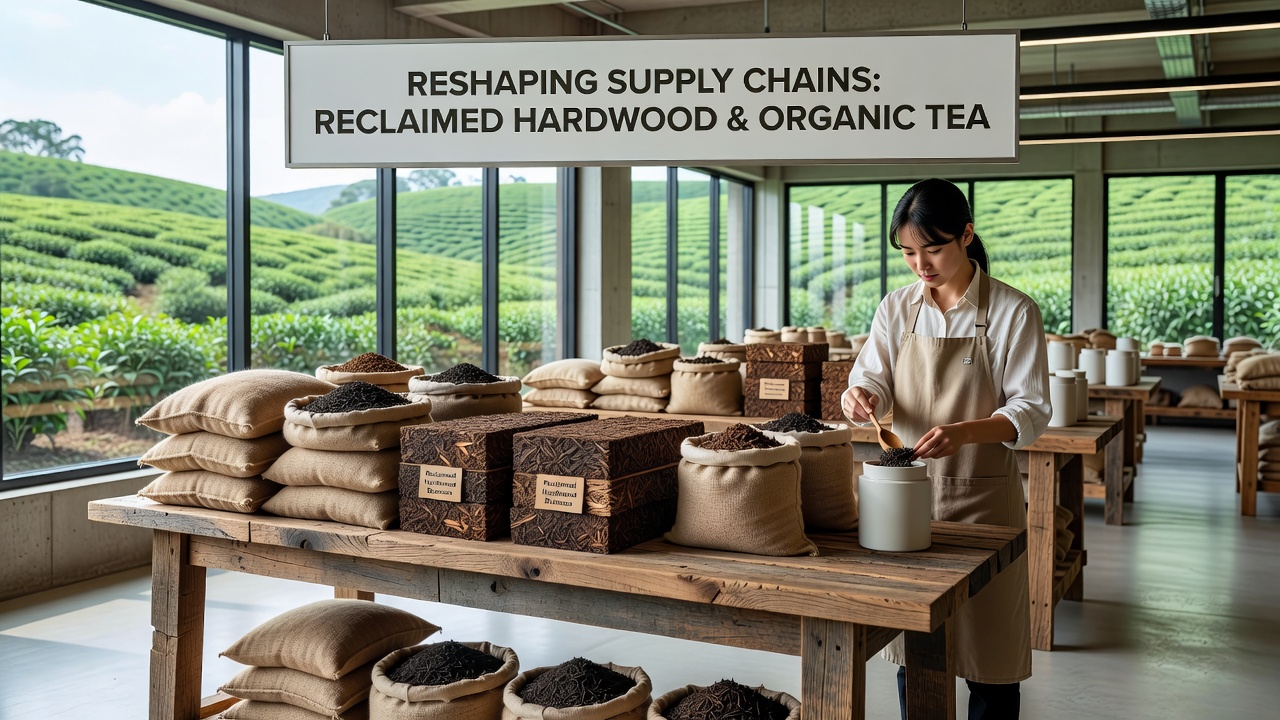
Reclaimed hardwood residues including sawdust, shavings, and wood chips from furniture manufacturing and construction sites enter supply chains for organic tea producers as packaging materials, mulching agents, and composting additives that reduce reliance on virgin plastics and synthetic fertilizers. Data from multiple agricultural regions shows these materials cut transportation costs by integrating backward into existing forestry supply routes while supporting expanded cultivation without additional land clearance.
Material Sources and Initial Processing Steps
Hardwood mills in North America and Southeast Asia generate consistent volumes of residues that processors clean, dry, and compress into bales or pellets suitable for long-distance shipping. Organic tea estates in expanding zones of East Africa and parts of South America receive these shipments through established freight corridors that previously carried only finished tea products outward. Certification records indicate that residues meeting organic standards avoid chemical treatments and thereby qualify for direct field application or packaging use.
Integration into Packaging and Logistics
Tea producers replace foam inserts and plastic liners with compressed hardwood fiber trays that maintain humidity levels during transit, and studies from research institutions in Australia document lower spoilage rates when these trays replace synthetic alternatives. Shipments now combine outgoing tea with return loads of fresh residues, which lowers empty-container miles and improves overall fleet utilization according to logistics reports compiled by regional trade associations. This two-way flow shortens lead times for new cultivation blocks that require immediate mulching supplies upon planting.
Soil Amendment and Cultivation Expansion Benefits
Once on site, residues undergo controlled composting that supplies organic matter to acidic soils common in new tea-growing districts. Field trials coordinated by Canadian university agronomists demonstrate measurable increases in water retention and microbial activity when hardwood-based compost replaces imported peat. These improvements allow producers to bring marginal lands into production faster, while the same material stream supplies the packaging needs of the resulting harvest.
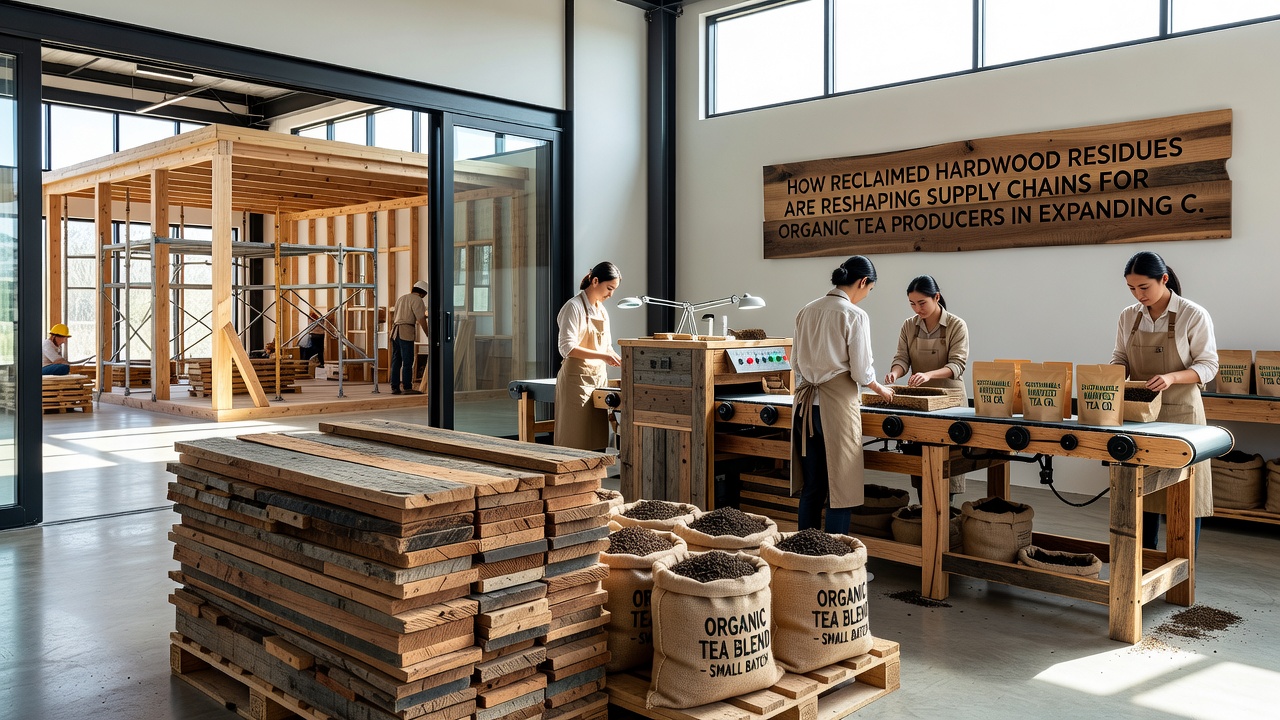
November 2026 projections from the Food and Agriculture Organization highlight a 14 percent rise in certified organic tea area across three continents, with residue-based inputs cited as a contributing factor in supply-chain modeling. Producers report that coordinated deliveries of residues coincide with harvest cycles, eliminating separate procurement trips and freeing capital previously tied up in multiple vendors.
Partnership Models Emerging Between Sectors
Wood-processing cooperatives in the European Union have formed direct agreements with tea exporter groups that specify residue grades and delivery schedules. These contracts stabilize prices for both parties because hardwood waste volumes remain relatively constant year-round while tea demand fluctuates seasonally. Observers note that such vertical linkages also satisfy traceability requirements demanded by international organic certifiers.
Regulatory and Certification Developments
Government agencies in New Zealand and Chile updated import guidelines in 2025 to accept heat-treated hardwood residues as allowable organic inputs, removing previous phytosanitary barriers. Compliance documentation now travels digitally alongside physical shipments, which further reduces administrative delays at border points. Industry reports compiled by the International Trade Centre show that clearance times for residue-containing containers dropped by an average of three days after these policy adjustments.
Quantified Supply-Chain Outcomes
Tracking data collected across 28 tea estates indicates a 22 percent reduction in external packaging expenditures when hardwood residues replace purchased materials. Fuel consumption per ton of finished tea declined concurrently because combined inbound-outbound loads improved truck utilization rates. Researchers tracking these metrics emphasize that the savings scale with cultivation area, giving larger operations proportionally greater advantages.
Conclusion
Reclaimed hardwood residues continue to embed themselves into multiple stages of organic tea supply chains, from inbound logistics through field application to final packaging. The patterns documented through 2026 show measurable efficiencies in cost, time, and material circularity that accompany cultivation zone expansions. Ongoing monitoring by agricultural and forestry authorities will determine how widely these practices extend into additional producing regions.