Mia Lange · 7 November 2026
Certification Protocols Advance for Hybrid Products Using Reclaimed Hardwood and Herbal Infusions
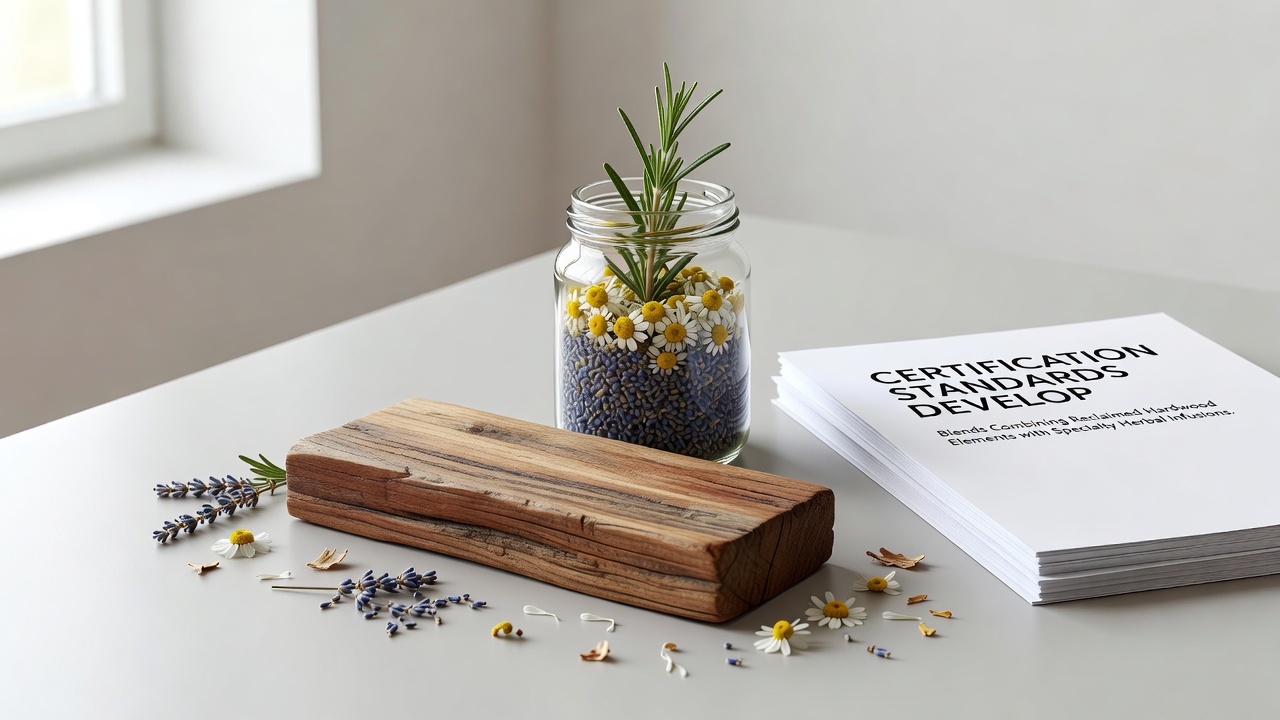
Certification standards for blends that combine reclaimed hardwood elements with specialty herbal infusions continue to develop as industries seek clearer guidelines on material verification and product safety and observers note increasing interest from manufacturers who source both wood and botanicals from sustainable origins and the framework addresses traceability requirements along with quality benchmarks that cover everything from reclamation processes to infusion extraction methods while data from pilot programs shows how these standards help reduce inconsistencies across batches produced in different regions.
Core Elements of the Emerging Framework
Standards bodies have focused on defining what counts as reclaimed hardwood which involves documentation of previous use and chain of custody records and this connects directly to protocols for herbal infusions that require verification of plant species and growing conditions and testing procedures now include checks for chemical residues as well as compatibility assessments between wood fibers and herbal compounds since interactions can affect stability over time and researchers at multiple institutions have mapped these interactions through controlled experiments that ran through the first half of 2026.
November 2026 marks the scheduled release of updated guidelines from an international working group that brings together representatives from forestry agencies in Canada and agricultural research centers in Australia along with European material science labs and the updates emphasize third party audits that verify both the hardwood reclamation and the herbal sourcing steps in a single integrated review rather than separate evaluations which streamlines the process for producers who work with both materials.
Testing and Verification Procedures
Verification begins with on site inspections of reclamation sites followed by laboratory analysis of wood samples for structural integrity and absence of contaminants and parallel tests on herbal components measure active compound levels while ensuring no cross contamination occurs during blending and the combined product then undergoes accelerated aging trials that simulate long term storage conditions and results from these trials feed into certification decisions that determine whether a batch qualifies for the hybrid product label.
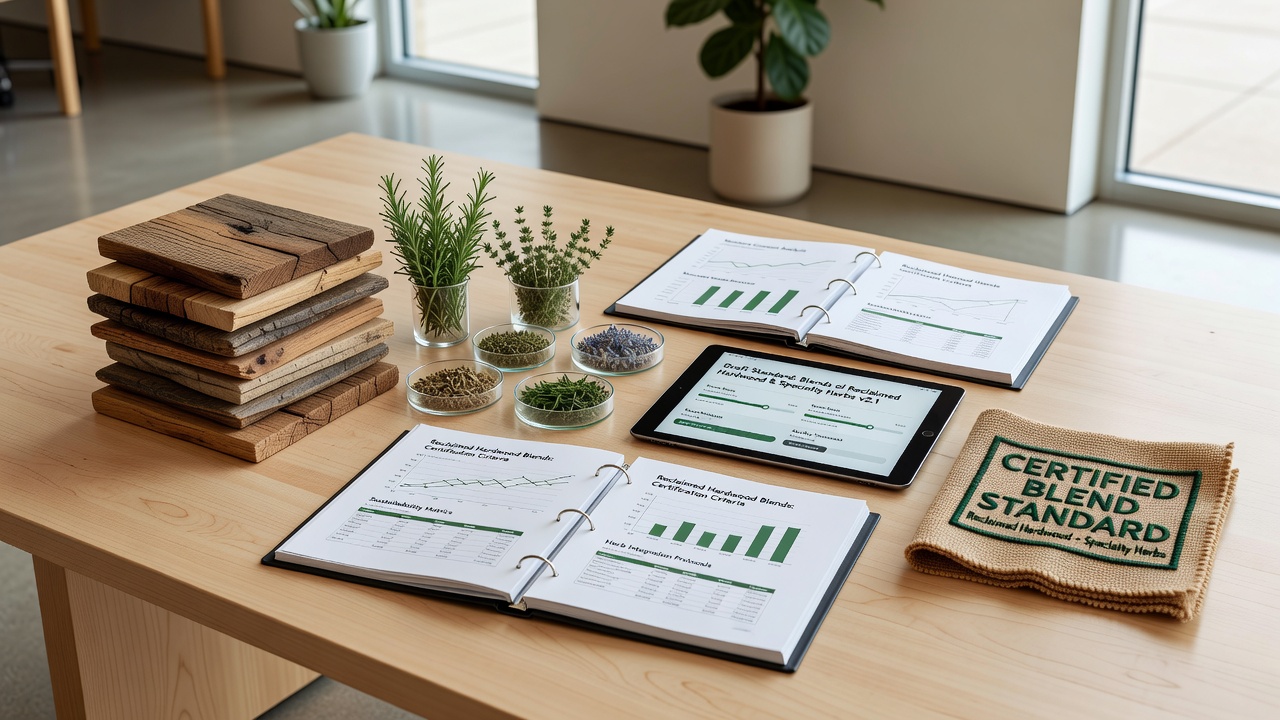
One study coordinated across facilities in the United States and New Zealand revealed that certain oak and pine species when properly reclaimed maintain their binding properties even after infusion with herbs like chamomile or nettle and this finding supports the inclusion of species specific guidelines within the certification checklist and manufacturers who follow the protocols report fewer rejected shipments because the upfront testing catches issues before products reach distribution networks.
Regional Adaptations and Industry Participation
Adaptations appear in different regions because local regulations influence how standards get implemented and for instance Canadian guidelines stress forest regeneration metrics tied to reclamation volumes whereas Australian versions highlight drought resistant herb varieties that pair well with reclaimed eucalyptus and participation from trade associations has helped refine these variations into a core set of universal criteria that still allow for regional flexibility and according to the International Organization for Standardization the harmonized approach reduces duplication in audit requirements for companies operating across borders.
Training programs for auditors have expanded in 2026 with courses offered through partnerships between universities and certification organizations and these programs cover both the technical aspects of material testing and the documentation standards needed to prove compliance and participants learn to evaluate supply chains that may span multiple continents which reflects the global nature of reclaimed hardwood and specialty herb sourcing.
Conclusion
The development of these certification standards reflects ongoing efforts to create reliable benchmarks for hybrid products that blend reclaimed hardwood elements with specialty herbal infusions and continued collaboration among regulatory bodies research institutions and industry groups supports consistent application of the rules while data collected through early adopters informs future refinements scheduled for review in subsequent years.